DALI brings fabric, dyeing, elastic and garment development together. Technical teams connect material selection with fit, construction and the sample your buying team will use to approve the collection.
Design and R&D at DALI's Jinjiang headquarters connect product ideas with material and manufacturing choices. The team works from the intended wearer, use and reference product, identifies the construction decisions that remain open and defines what the development sample needs to establish. You can begin with an existing sample or initial concept rather than waiting for every specification to be final.
Product and material feasibility review
Sample objectives and consolidated development comments
02
Fabric development tied to fit and finish
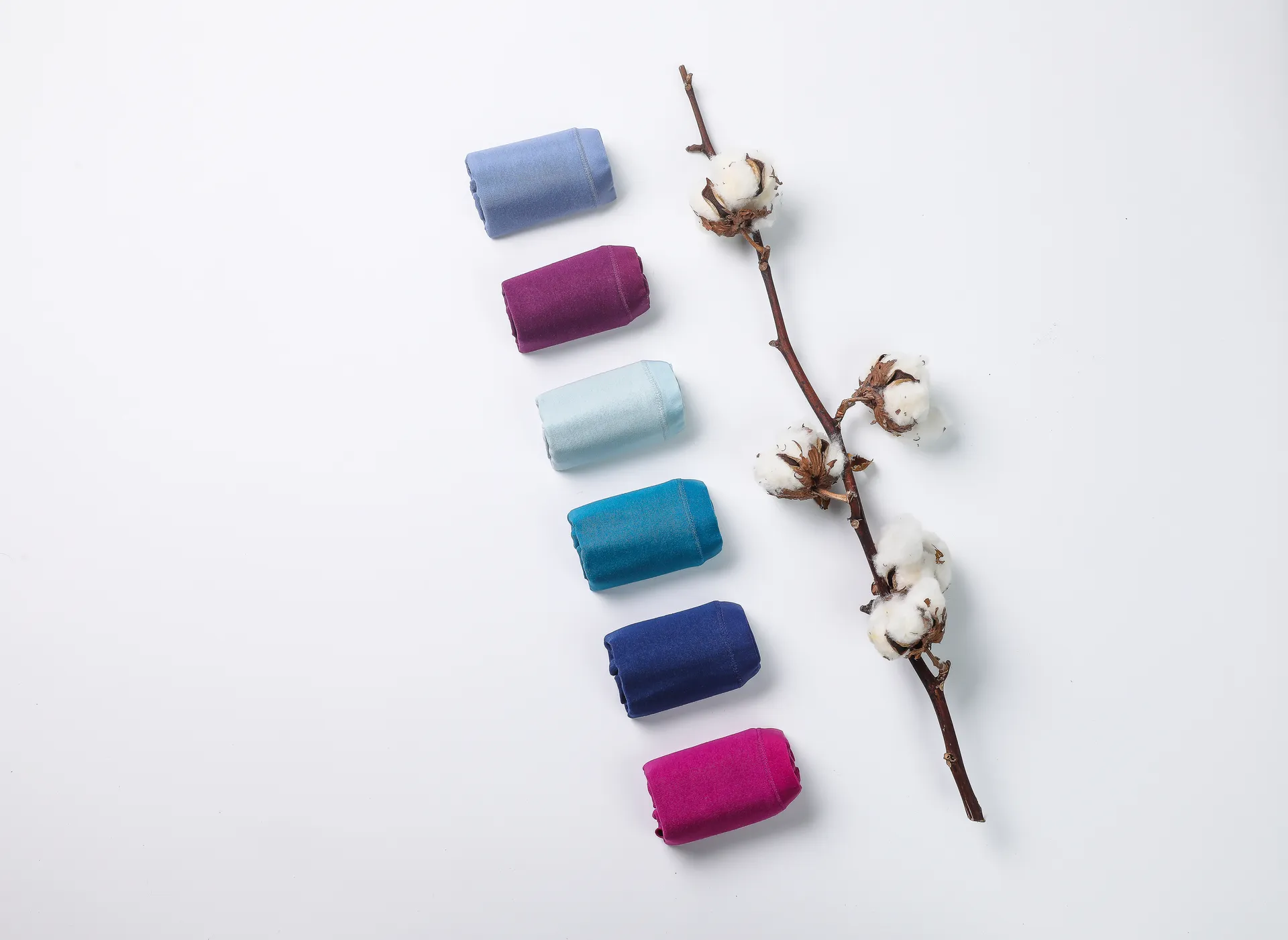
DALI's fabric portfolio includes cotton, modal, bamboo-derived fibers, polyester, nylon and stretch blends. Fabric and dyeing teams consider composition, knitted construction, weight, usable width, shade and finishing alongside the garment. A change in handfeel or stretch is therefore reviewed with its effect on the finished fit, not only as a swatch choice. The selected material reference and required evaluations become part of the product specification.
Composition, construction, weight and usable width
Shade, finishing and dimensional stability
Stretch and recovery in the intended garment
03
Elastic components evaluated on the garment
A waistband, leg elastic or shoulder strap has both a material function and an attachment requirement. DALI's woven and knitted elastic capabilities allow width, stretch, recovery, artwork repeat and edge appearance to be considered with the garment's measurements and construction. Sample review connects the component to its actual position so that a trim change does not remain separate from the fit decision.
Component construction and attachment
Artwork repeat and join position
Relaxed and extended measurements
04
Construction and sample evaluation
Automatic spreading and cutting, sewing, bonding and finishing are selected for the actual material and design. Technical teams review seam behavior, edges, measurements and appearance through sampling. Laboratory support includes colorfastness, pH, shrinkage, dimensional stability and bursting-strength evaluation where relevant to the agreed product requirements. The approved sample and specification provide the working reference for production checks.
Material compatibility and construction review
Sample version, comments and accepted changes
05
From material approval to retail presentation
DALI coordinates the accepted fabric, trims and garment specification with labels and the proposed selling unit. For separate fabric or trim supply, the material identity, quantity unit, shade and delivery format define the order. For a finished collection, pack contents and artwork stay linked to the approved garment. Material certificates and requested claims are matched to the actual supplied material and scope.
Inside DALI
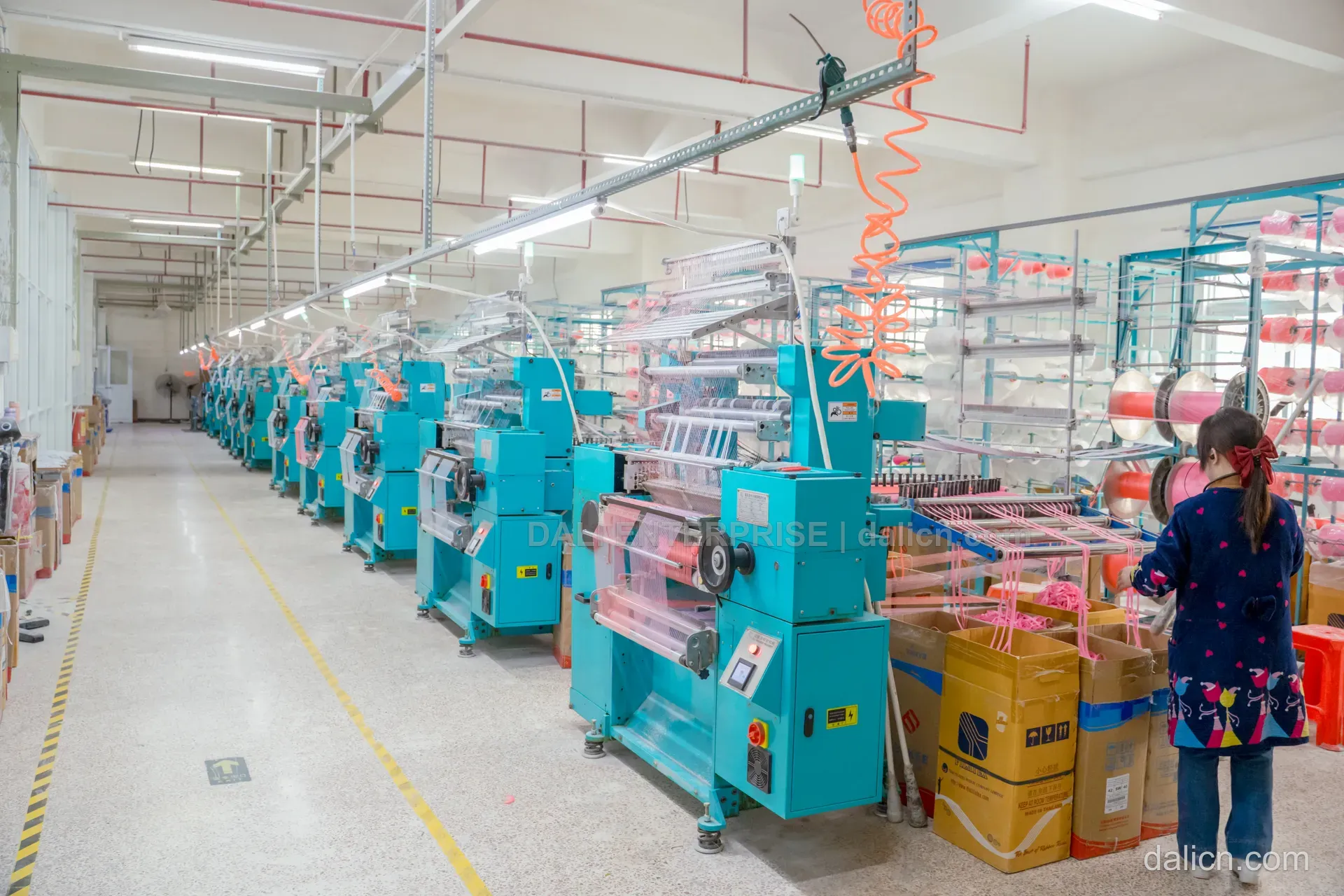
Textile and elastic production
DALI's manufacturing operations connect material development, garment production, inspection and testing.
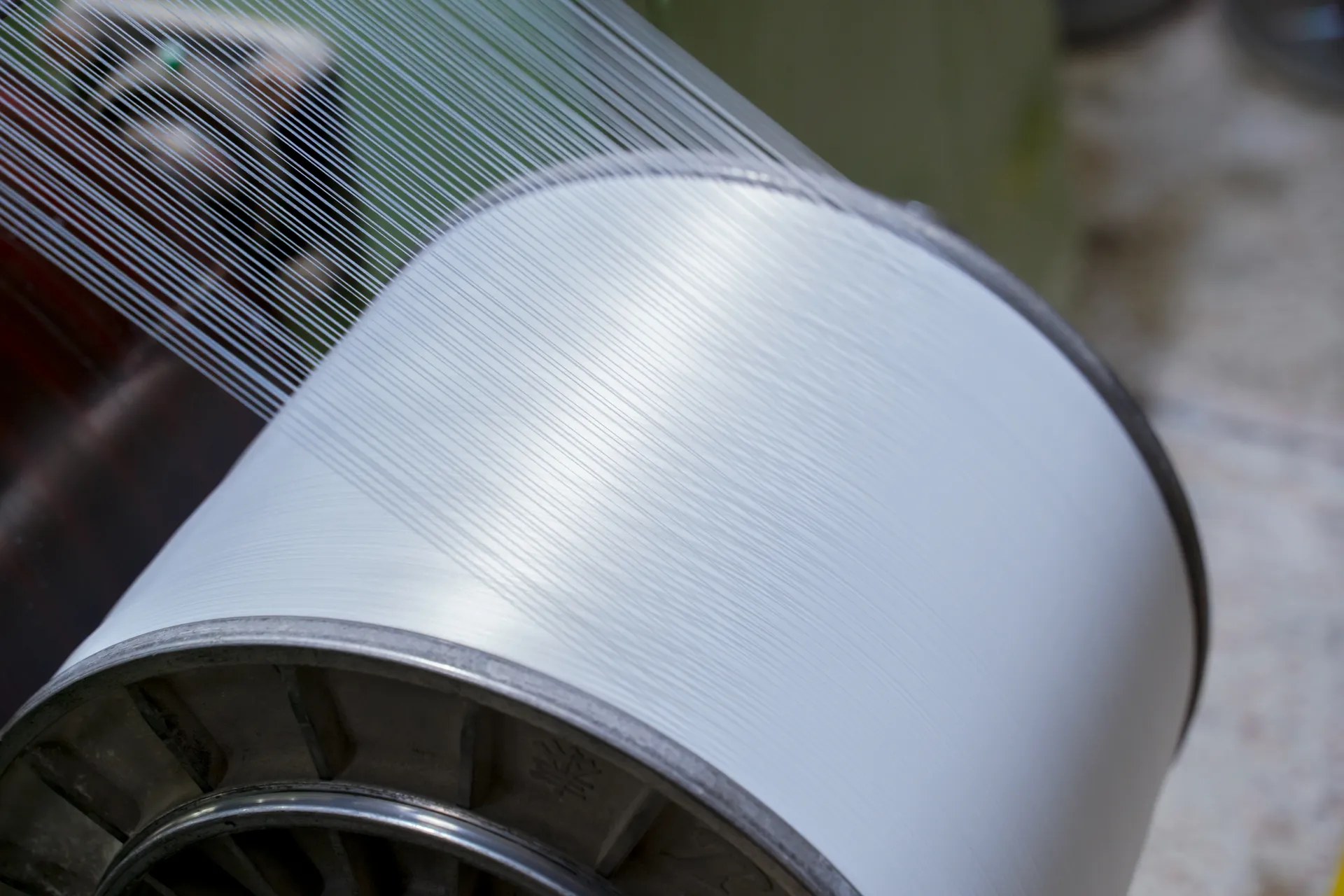
01Elastic tape construction02Yarn color range03Textile production equipment
Useful information
Start with the details you have
01Fabric preferences
02Trim references
03Selling-unit format
04Packaging artwork, if available
Insights & knowledge
Align materials and supporting records
Clarify colour expectations and any certification documents required for the proposed collection.
A fabric swatch can look right on its own. Before bulk production, see how the shade works with the lining, elastic and other visible parts of the garment.
A clear conversation about the material, manufacturing route and intended claim helps buyers and manufacturers prepare the right certification documents for a collection.
01What does DALI contribute to material development?
DALI connects fabric, dyeing, elastic and garment teams to review the intended product, propose material and construction options, and develop the sample reference. The accepted combination and any required tests are then recorded for the proposed bulk order.
02Can I begin before the technical pack is complete?
Yes. A reference product, initial drawing, intended wearer, destination and estimated bulk requirement provide a starting point. The team identifies the material, measurement and construction decisions needed next.
03Can materials be supplied independently of finished garments?
Yes. Fabrics, elastics and trims can be discussed as separate bulk supply programs. Identify the material or component, receiving operation, quantity unit and available references so development and delivery requirements address the actual supply scope.
Bring the material and product questions together.
Start with a reference product, swatch or initial idea. DALI will review the material and construction choices, the sample objective and the next information needed for your bulk program.