
Knowledge base
From certified material to garment: understanding textile certification documents
A clear conversation about the material, manufacturing route and intended claim helps buyers and manufacturers prepare the right certification documents for a collection.
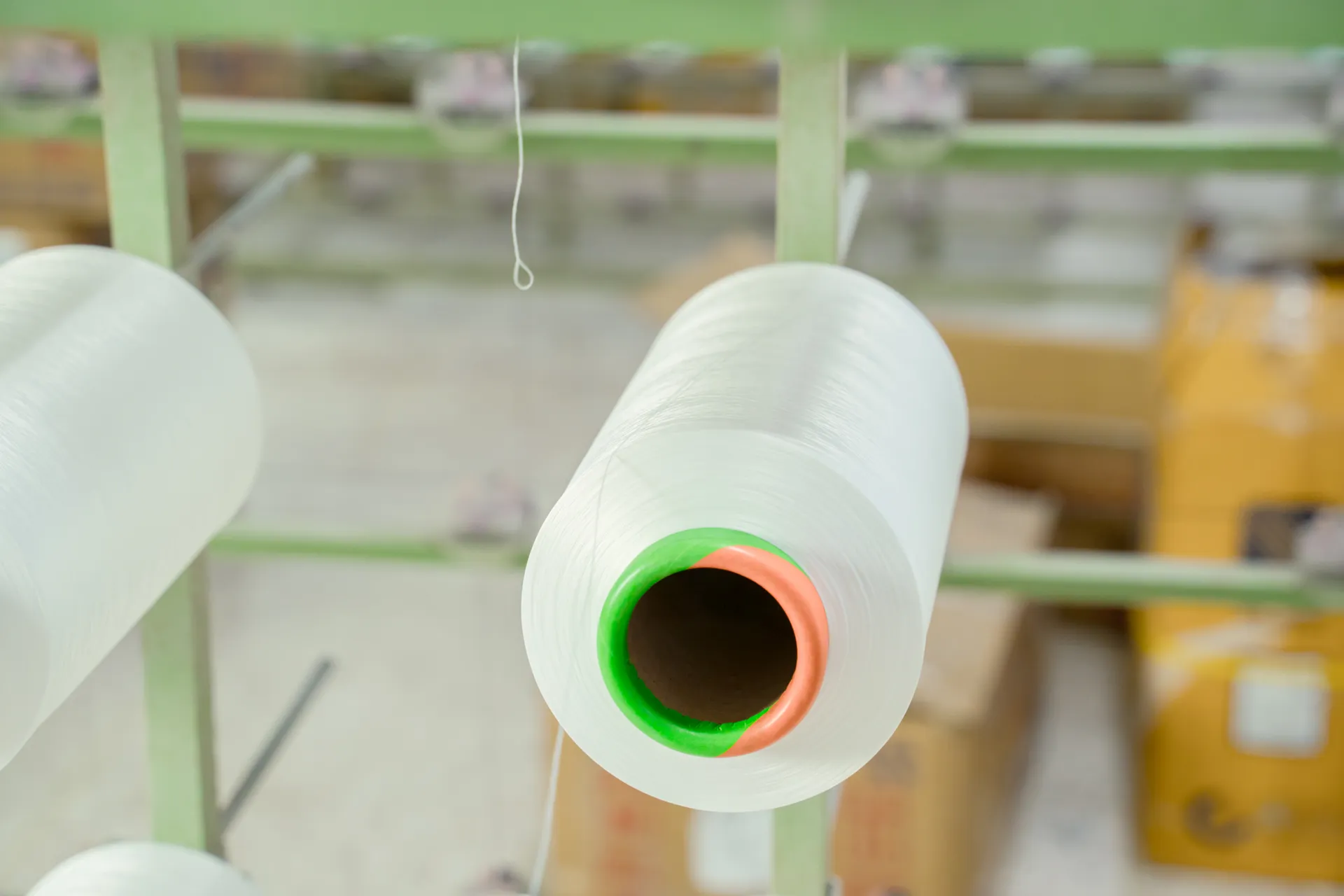
A certified material is a useful starting point for a collection. To carry the intended claim through to the finished garment, the buyer and manufacturer also need to understand the proposed production route and the documents that support it. Discussing these together at the material-selection stage can make later labelling decisions much clearer.
From fabric choice to the finished garment
Suppose a collection uses recycled polyester in its main fabric. At the start, the buyer and manufacturer can agree which part of the garment the intended claim concerns, which standard is being requested, and whether the proposed material and manufacturing route can support it.
With DALI, the material and proposed garment production route can be discussed together. The relevant scope and supporting documents need to be checked for the actual product and facility; they should not be assumed to cover every site or component. Agree who will provide the applicable evidence and when, before committing the hangtag wording.
What do scope and transaction certificates mean?
In the Textile Exchange system, a scope certificate (SC) describes an organisation's certified activities and products. It helps establish what the business is certified to offer; it does not mean everything it sells is certified.
A transaction certificate (TC) relates to specified certified goods supplied in a transaction. The two records answer different questions: is the relevant activity in scope, and what certified goods were supplied? Connect the applicable records to the material and order references, and clarify any differences in company names or descriptions with the supplier.
Other standards may use different documents and rules. A social audit addresses working conditions and management practices; it is not the same thing as recycled-material certification or a garment performance test.
Keep the claim and product performance in view
The intended label and wording have their own rules. A supplier's certificate alone is not automatic permission to use a certification mark. The relevant standard owner or certification body can help clarify the applicable requirements.
Certified-material evidence also does not tell you whether the finished garment meets the required fit or performance. Those questions remain part of development and testing. Discussing the claim and the product requirements together helps both teams prepare the information needed for the order.
Sources and further reading
Buyer questions
Where can we check whether a certificate is valid?
Use Textile Exchange's official authentication tools or contact the certification body that issued it. A document image on its own is not verification.
Buying for a certified-material collection?
Tell DALI the material and claim your buying team requires. The relevant product scope and supporting documents can be discussed before the order is agreed.
Discuss your collection with DALI