
Market signal
Textile-to-Textile Recycling: What Apparel Buyers Should Ask
Recycled polyester is not automatically textile-to-textile. Ask where the feedstock comes from and whether the proposed material can meet your collection's performance and volume requirements.
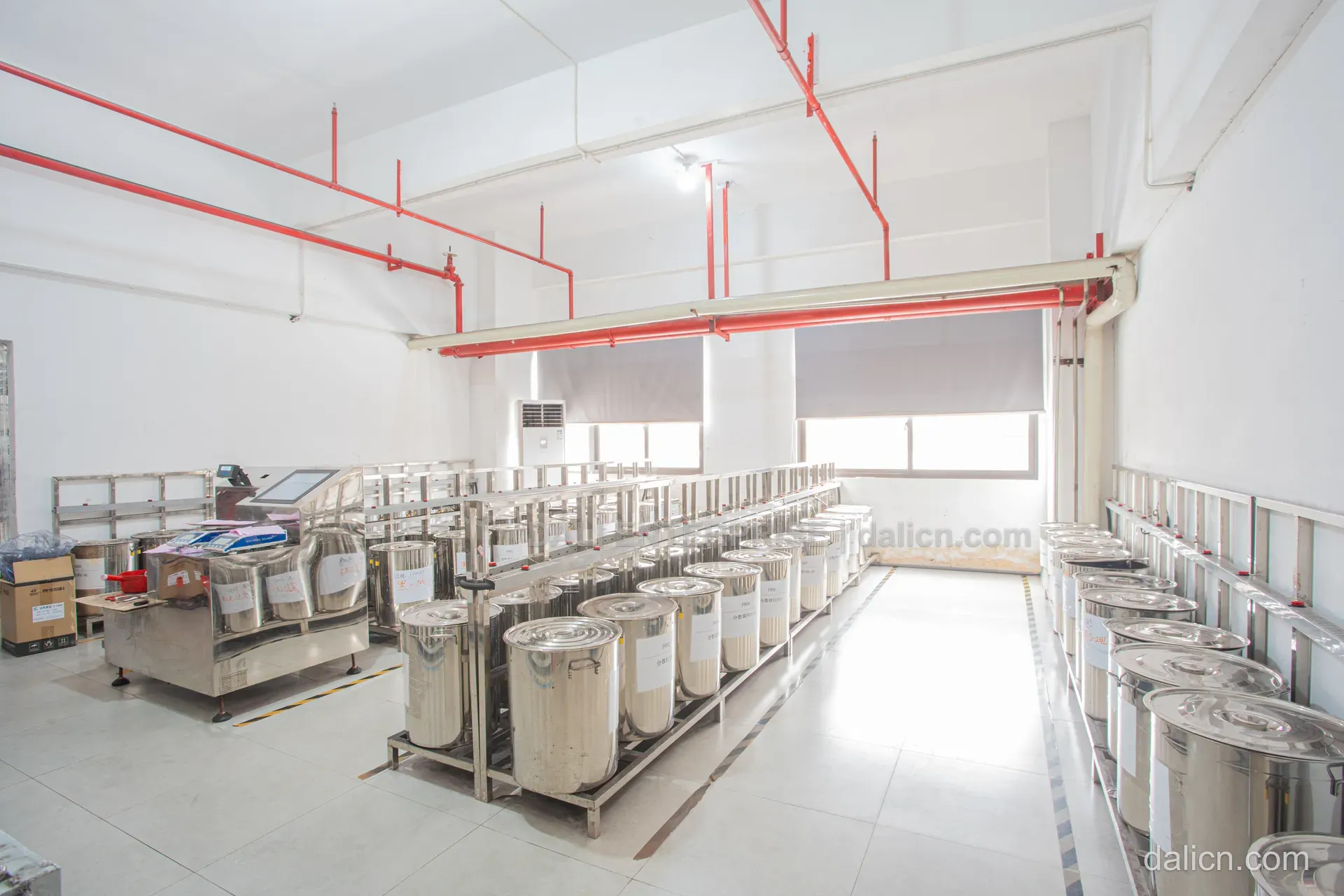
The value of textile-to-textile recycling is the possibility of returning discarded textiles to useful material. A sourcing decision still needs a precise description of the input, recycling route, available output and supporting claim.
Identify the feedstock, not just the fibre name
A recycled fibre claim does not necessarily identify the previous use of the material. Ask whether the input is textile production waste, used clothing or a non-textile stream. Also distinguish pre-consumer and post-consumer inputs where these terms are used.
Textile Exchange's work on the future of synthetics treats textile-to-textile recycling as one possible route away from virgin fossil inputs. It is not evidence that every recycled yarn currently offered comes from garments, or that every route is available at the volume your program needs.
Check what the recycling route can handle
Mechanical processes recover material through physical processing; chemical routes use processes that change or separate material constituents. Neither term alone tells a buyer the feedstock tolerance, output quality or environmental outcome of a particular installation.
Ask about blends, elastane, dyes, coatings and trims in the input stream. A result demonstrated with a controlled feedstock should not be assumed to apply to all mixed used garments. Request evidence for the actual material being proposed rather than a broad description of the technology.
Separate a development trial from a bulk option
Clarify whether the offer is a trial sample, an allocated commercial supply or a repeatable bulk route. Then review fibre specification, colour development, fabric performance and availability against the collection's needs.
For underwear and stretch fabrics, assess recovery and hand feel alongside the recycled-content objective. A higher recycled percentage is not a substitute for meeting the agreed performance specification. Avoid promising recyclability of the finished garment solely because one component is recycled.
Keep the material claim connected to the order
Where a recycled-content standard is required, review the applicable certification and chain-of-custody route. The claim made on the finished product must match the material and supporting records; it should not imply that a factory operates a recycling process it does not perform.
DALI can discuss a proposed recycled material as part of fabric development and garment sourcing. Provide the required input claim, certification expectation, product category and volume. Specific material availability and performance need assessment before they become a production commitment.
Sources and further reading
Buyer questions
Does recycled polyester always come from old clothing?
No. The recycled input may come from textiles or another stream. Ask the supplier to identify the feedstock and the evidence supporting the stated claim.
Is textile-to-textile material ready for every bulk garment order?
Not automatically. Availability depends on the specific route, input quality, output specification and commercial supply. Assess the proposed material before approving a bulk program.
Review a material route before committing the range.
Send the product category, required recycled-content claim and estimated volume for an initial feasibility discussion.
Discuss material development