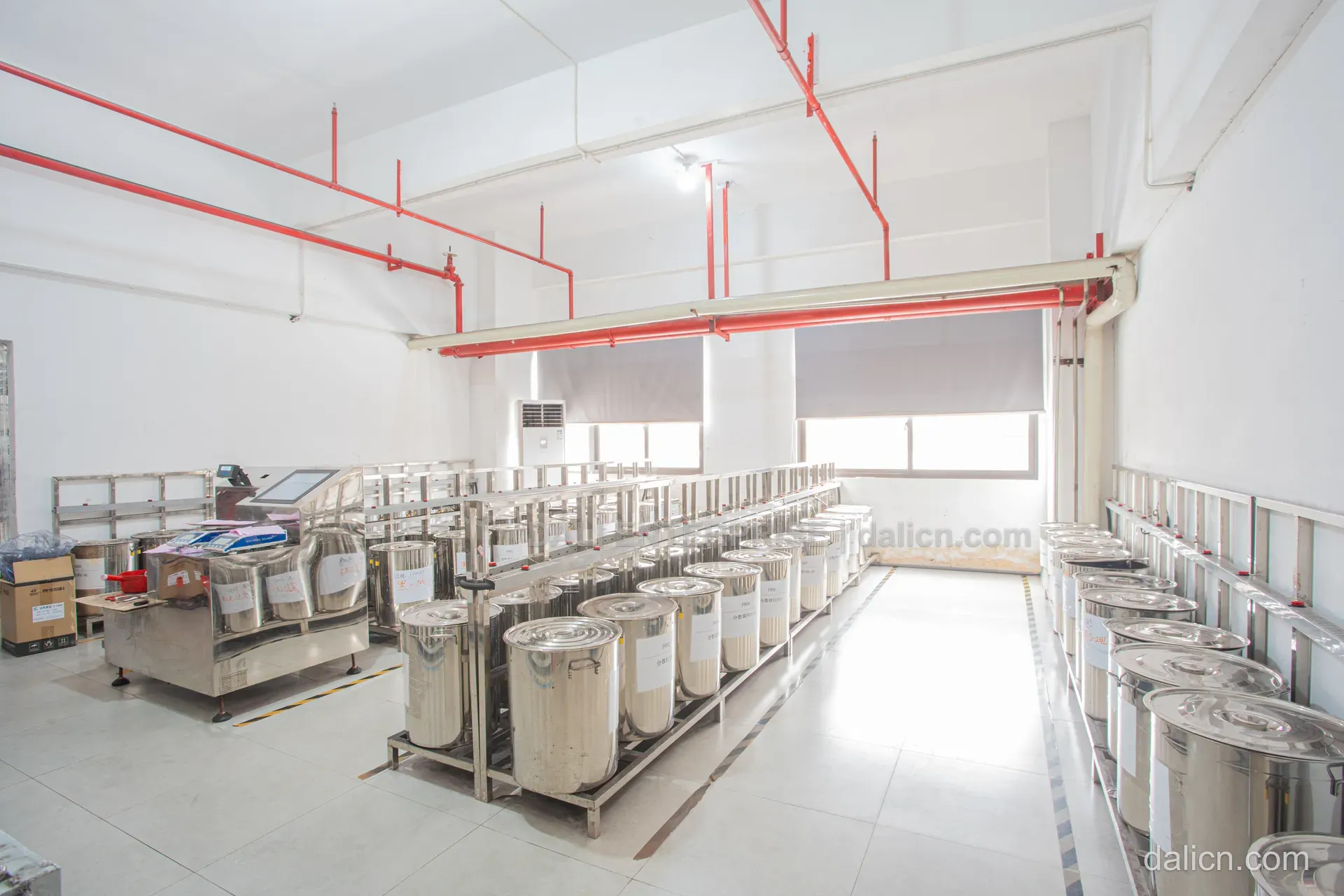
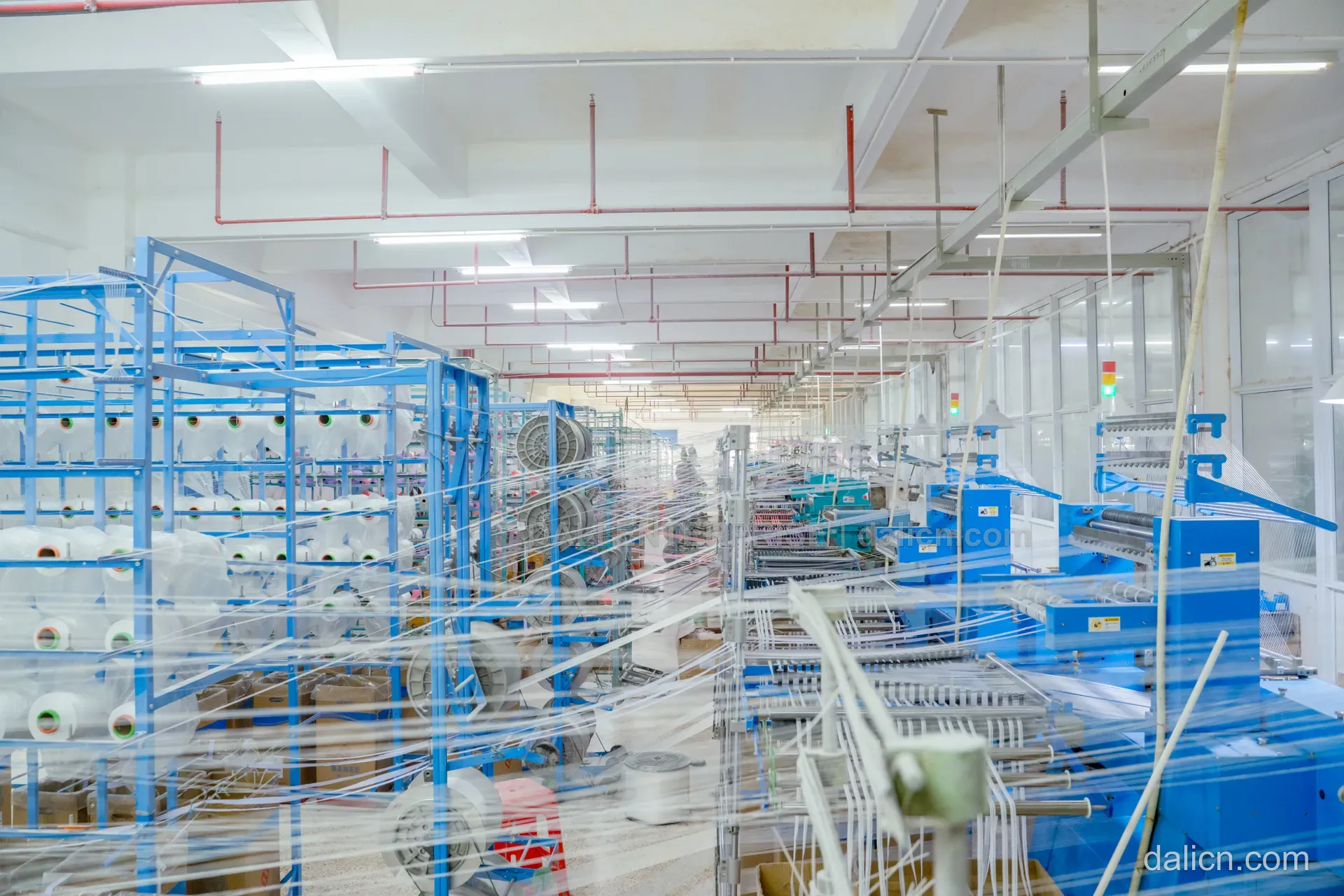
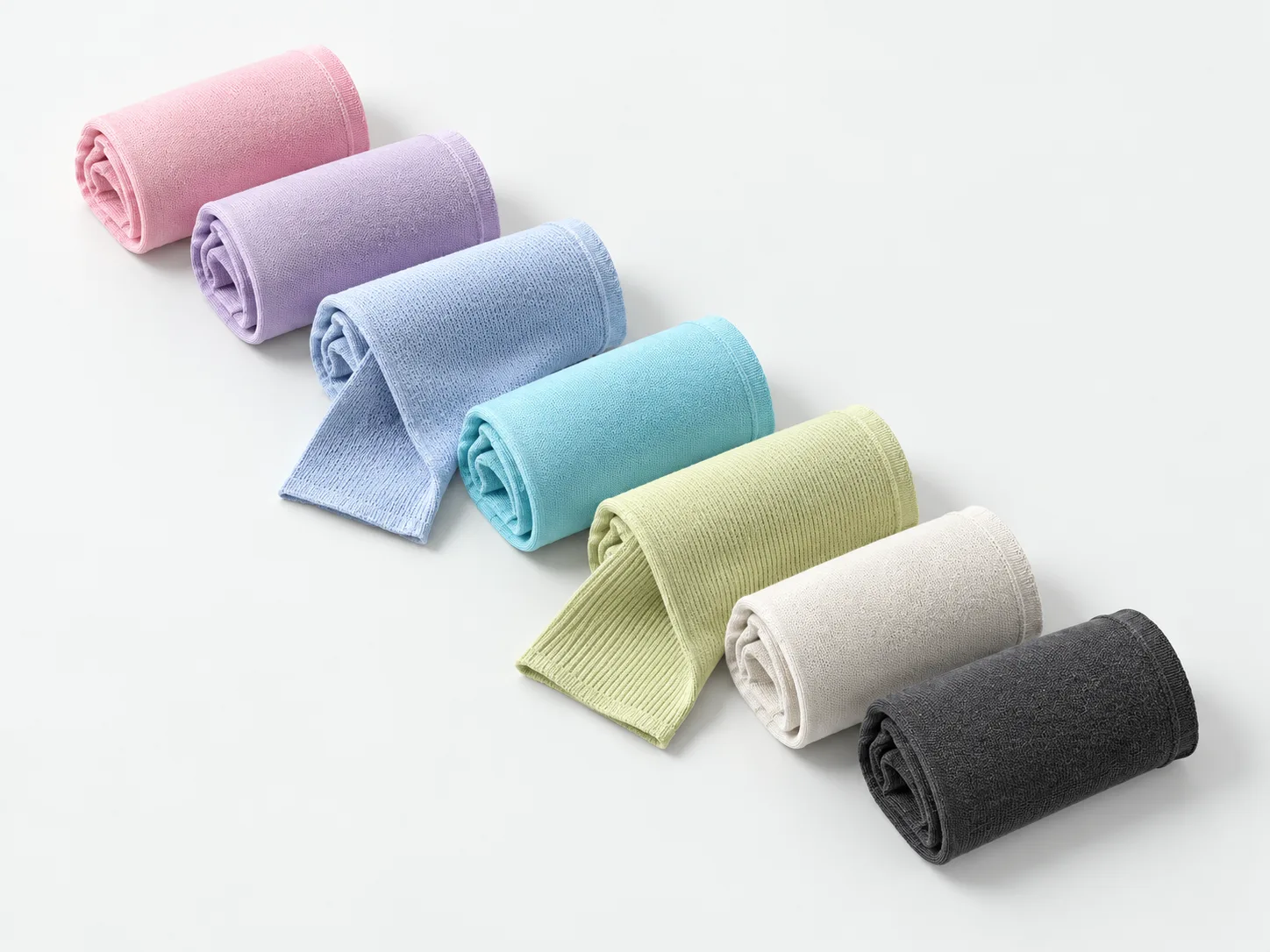
Textile production equipment at DALI's textile facility

DALI fabric products

Fabric Manufacturing and Bulk Supply

DALI is a fabric manufacturer and bulk supplier with textile, dyeing and finishing capabilities in China. Define composition, construction, weight, width and color for garment development or separate material supply.

Factory audits & certifications

Factory audits, textile standards and management systems

Explore audits & certifications
  • WRAP
  • amfori BSCI
  • SMETA
  • OEKO-TEX STANDARD 100
  • GOTS
  • GRS

DALI's portfolio includes the factory assessments and textile standards shown below. Supporting records and their applicable site, material and product scope are provided during supplier approval.

Fabric and elastic supply

Bulk fabric and elastic supply

DALI's textile, dyeing and elastic operations support separate bulk material orders and coordinated apparel development. Construction, color and performance requirements are reviewed against the intended use and proposed quantity.

Fabrics
Composition, knitted construction, weight, usable width, color and finishing.
Elastics and trims
Waistbands, straps, elastic tapes, ribbons and lace: width, construction, artwork, stretch and attachment requirements.
Elastic production equipment at DALI in Jinjiang, Fujian, China
Elastic production workshop, Jinjiang, China.

Bulk material supply

Materials for your production program

Knitted fabrics, cotton, modal, bamboo-derived fibers, microfiber, polyester, nylon and stretch blends for garment development. Material or trim supply can be discussed independently of finished garments, or coordinated with an apparel order. Prepare the construction, color, quantity and intended use so the relevant team can review the proposed bulk requirement.

When choosing a knitted fabric manufacturer, compare the usable width, finished weight, shrinkage requirements and color approval process as well as composition. Tell DALI whether the fabric is for your own garment factory or a coordinated apparel order, and state the quantity in kilograms or meters.

  • Knitted Fabric: Construction, composition and weight; Usable width and stretch direction; Quantity unit, shade and finishing.
  • Cotton Stretch Fabric: Cotton/stretch-fiber composition; Knitted structure, weight and width; Stretch, recovery and shrinkage criteria.
  • Modal Fabric: Modal percentage and other fibers; Construction, usable width and weight; Shade, handfeel and care evaluation.
  • Bamboo-Derived Fabric: Exact fiber identity and blend; Construction, weight and usable width; Composition documents and label wording.
  • Microfiber Fabric: Base fiber and stretch-fiber blend; Weight, construction and surface feel; Opacity, color and required tests.
  • Nylon Stretch Fabric: Polyamide and elastane composition; Weight, width and stretch directions; Lining compatibility and agreed evaluations.
  • Polyester Fabric: Polyester percentage and blend; Construction, weight and usable width; Finish, garment use and required evaluations.
  • Stretch Blend Fabric: Fiber percentages and blend composition; Required stretch axes and recovery; Construction, weight and width.

Development with DALI

A defined fabric supply program

DALI's China network includes textile production, dyeing and finishing. A fabric brief can support a garment developed with DALI or a separate supply program for another production team. Composition, knitted construction, weight, width and color are reviewed as a material specification.

Textile production and dyeing →
01

Start with the material, not only a fiber name

DALI's fabric range is a product line in its own right. A fabric inquiry can concern material supply for another factory or development connected to a DALI garment program. Send a swatch, intended garment, composition preferences and knitted construction. Modal, bamboo-derived fibers and microfiber describe different material characteristics; none fixes the weight, width, stretch or finishing of the proposed fabric. State what the material should do in the final product and separate those requirements from preferences that are still open.

  • Specify fiber identity and percentages, including any stretch fiber.
  • Identify weight, usable width and construction.
  • State whether the brief is for fabric supply or a coordinated garment order.
02

Agree color, finishing and evaluation

Provide a controlled color reference and explain whether solid shades, a surface treatment or another finish is requested. Review shade and handfeel against the material sample rather than a screen image. Discuss dimensional stability, stretch/recovery, colorfastness and other evaluations through agreed methods and criteria. Any finish or performance claim needs to match the actual fabric and documentation and applicable test records. Confirm the approved reference before the bulk dyeing or production plan is released.

  • Identify the color reference and approval conditions.
  • Agree the sample purpose and required evaluations.
  • Confirm any material certification for the actual composition and supply scope.
03

Make the fabric order unambiguous

State fabric quantities in an agreed unit, such as meters or kilograms, and include the usable width and weight that make the quantity meaningful. List quantities per material and shade rather than giving only one total. Agree roll identification, packing, any shade-lot requirements and the documents needed by the receiving garment factory. Production feasibility, minimum quantities, sample charges and timing are confirmed for the proposed fabric. DALI supplies fabrics for bulk sourcing programs, with availability and production requirements confirmed for the material.

  • Separate quantity by material and color.
  • Agree the measurement basis and roll-delivery requirements.
  • Connect the approved swatch to the final purchase specification.

Procurement specification

Fabric development requirements

DecisionYour starting informationDiscussion with DALI
Fiber and structureSwatch, fiber percentages and knitted constructionComposition, feasibility and approved material reference
Width and weightUsable width, weight and required stretch directionsMeasurement methods, tolerances and sample objectives
Shade and evaluationColor reference, finish and buyer test requirementsShade approval, required methods and acceptance criteria
Bulk supplyQuantity by material and color, in agreed unitsRoll identification, packing and proposed supply schedule

Quote a defined fabric, not only a fiber name

Cotton, modal, bamboo-derived fibers, polyester and nylon describe material options, not complete fabric specifications. Identify construction, fiber percentages, weight, usable width and garment application. A swatch helps align color, feel and finishing.

  • Fiber blend and percentages; knitted construction
  • Weight, usable width and intended garment application
  • Quantity with a stated unit: kilograms, meters or rolls
  • Color references, finishing, swatch and required documentation
Explore fabric and material development →

Review sampling and bulk order requirements →

Discuss your fabric requirements

Sample and production review

Fabric quality checkpoints

The agreed sample, specification and inspection plan define the checks for your product.

Quality control Audits and certifications

  1. Fiber composition and construction against the material specification
  2. Usable width and weight using the agreed methods
  3. Shade and handfeel against the approved swatch
  4. Dimensional change and other agreed evaluation results
  5. Roll, lot and packing identification against the order

Product and supplier review

Match a material claim to the actual fabric

DALI's fabric and dyeing operations connect material development with the garment's intended use. Composition, construction, weight, usable width and shade identify the fabric to be sampled and supplied. Organic or recycled-content documentation is matched to that material and process rather than inferred from the fiber name.

Insights & knowledge

Before confirming your fabric

Review colour approval and the documents needed for your intended material claim.

Frequently asked

Buyer questions

01Can I inquire about fabric without ordering finished garments?

Yes. State that the requirement is fabric supply, the intended garment, material selection, quantity unit and destination. The team reviews feasibility, minimum quantities and commercial terms for the proposed material.

02Which fabrics are in the DALI material portfolio?

DALI develops knitted fabrics using cotton, modal, bamboo-derived fibers, microfiber, polyester, nylon, elastane and blends. The actual composition, construction, weight, width and finishing are confirmed for each development.

03Does a fiber name prove a performance or environmental claim?

No. Identify the actual fiber blend and relevant documents. Any required performance or material certification needs to match the proposed fabric, test method, named supplier and scope.

04How should I describe fabric quantities?

Use an agreed unit such as meters or kilograms and list quantities by material and shade. Include usable width and weight, then agree roll identification, packing and any shade-lot requirements.

Product development and supply

Discuss development of fabrics.

Discuss the intended garment, material reference and estimated bulk requirement. DALI reviews composition, construction, weight, width, shade and finishing for separate fabric supply or garment development.

Discuss product requirements