
Knowledge base
Lab dip approved. Is the colour ready for bulk?
A fabric swatch can look right on its own. Before bulk production, see how the shade works with the lining, elastic and other visible parts of the garment.
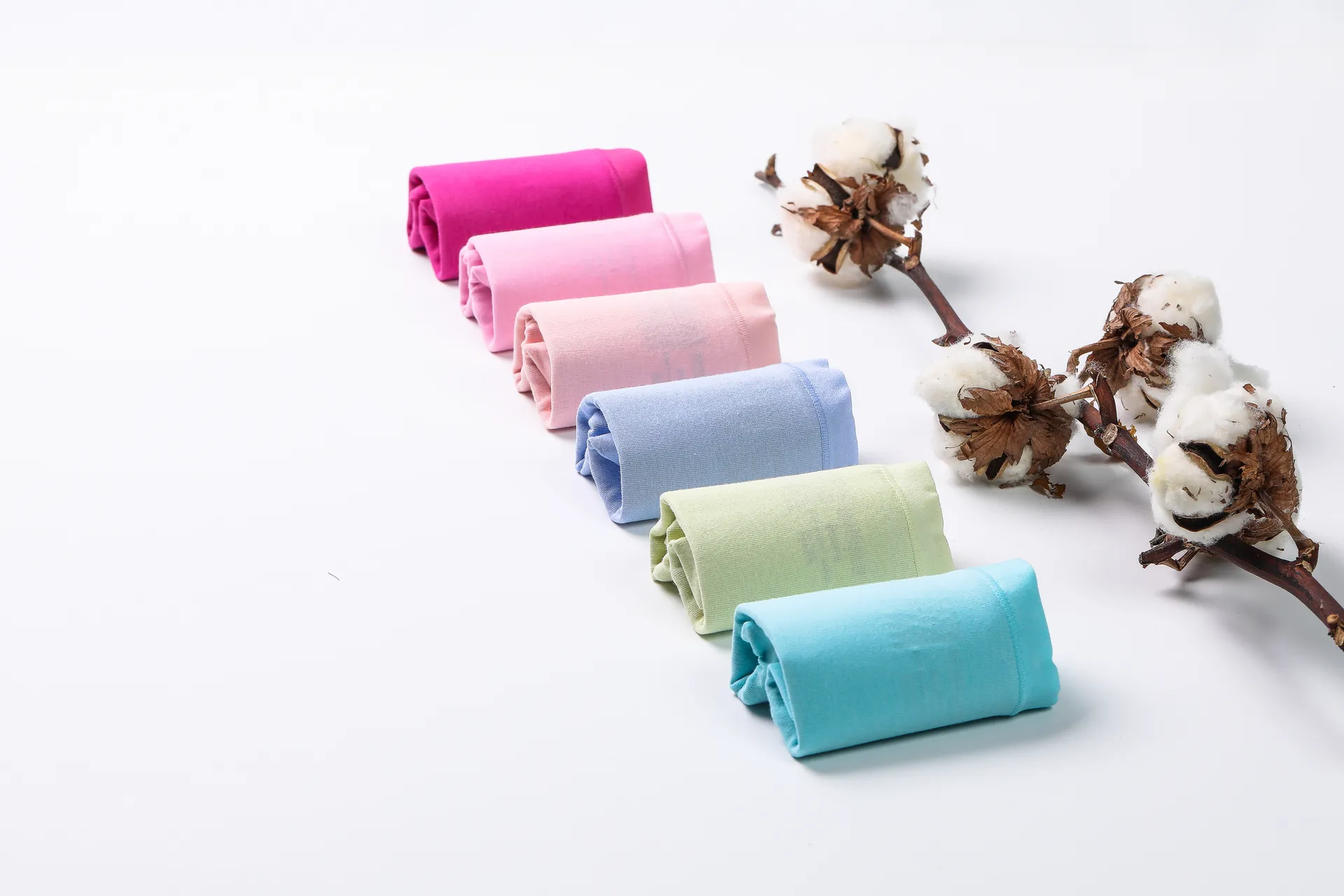
You can approve a shade on a small swatch and still have questions when you see the finished garment. Does the lining work with it? Is the waistband meant to match or contrast? For an underwear or swimwear collection, those decisions belong in the colour review too.
What does a lab dip actually approve?
A lab dip is a small dyed fabric sample prepared to develop a proposed shade. Once approved, it provides a colour reference for that material. It does not by itself approve every production lot, the matching trims or the garment's colourfastness.
Keep the approved swatch identifiable with the style, material and colour reference. Agree how later submissions will be compared with it. Photographs are useful for explaining a comment, but a phone image alone is a weak basis for accepting or rejecting a shade. Where digital measurements are used, both teams need to understand the method, viewing conditions and project-specific tolerance.
Put the fabric and trims side by side
Review the combination the customer will see: the outer fabric, lining, waistband, thread and any visible fasteners. Different materials may take up dye differently, so a colour that works on the body fabric may need a separate review on the elastic or lace.
Not every component has to be identical. A deliberate contrast can be part of the design; a near match needs a clear discussion about the effect you want. Looking at the components together under the agreed lighting can make that conversation much easier.
Keep that decision with the style. If a lining or elastic is replaced later, return to the combination rather than relying only on the earlier garment photograph.
Then look at the production fabric
The next question is how the actual fabric lots will be checked against the approved colour. Agree who reviews the production submission and what happens if a lot falls outside the accepted range. That discussion should happen before the fabric moves into the next operation.
Colour matching and colourfastness answer different questions. A shade may look right at approval; the relevant washing or rubbing tests assess how it performs under the specified test conditions. Keep those test requirements in the product brief alongside the colour decision.
For a DALI garment programme, the proposed body fabric and elastic can be discussed together. Share the intended shade, material references and whether the trim should match or contrast; the review and test arrangements can then be agreed for the style.
Sources and further reading
Have a colour combination to develop?
Send your target colour reference and proposed fabric and trim details. Include any physical swatches available for the review.
Send your material brief