
Buyer guide
Sustainable Garment Manufacturing Goes Beyond Recycled Fabric
A recycled-content claim does not describe the whole factory. Assess materials, wet processing, working conditions and product durability as connected sourcing decisions.
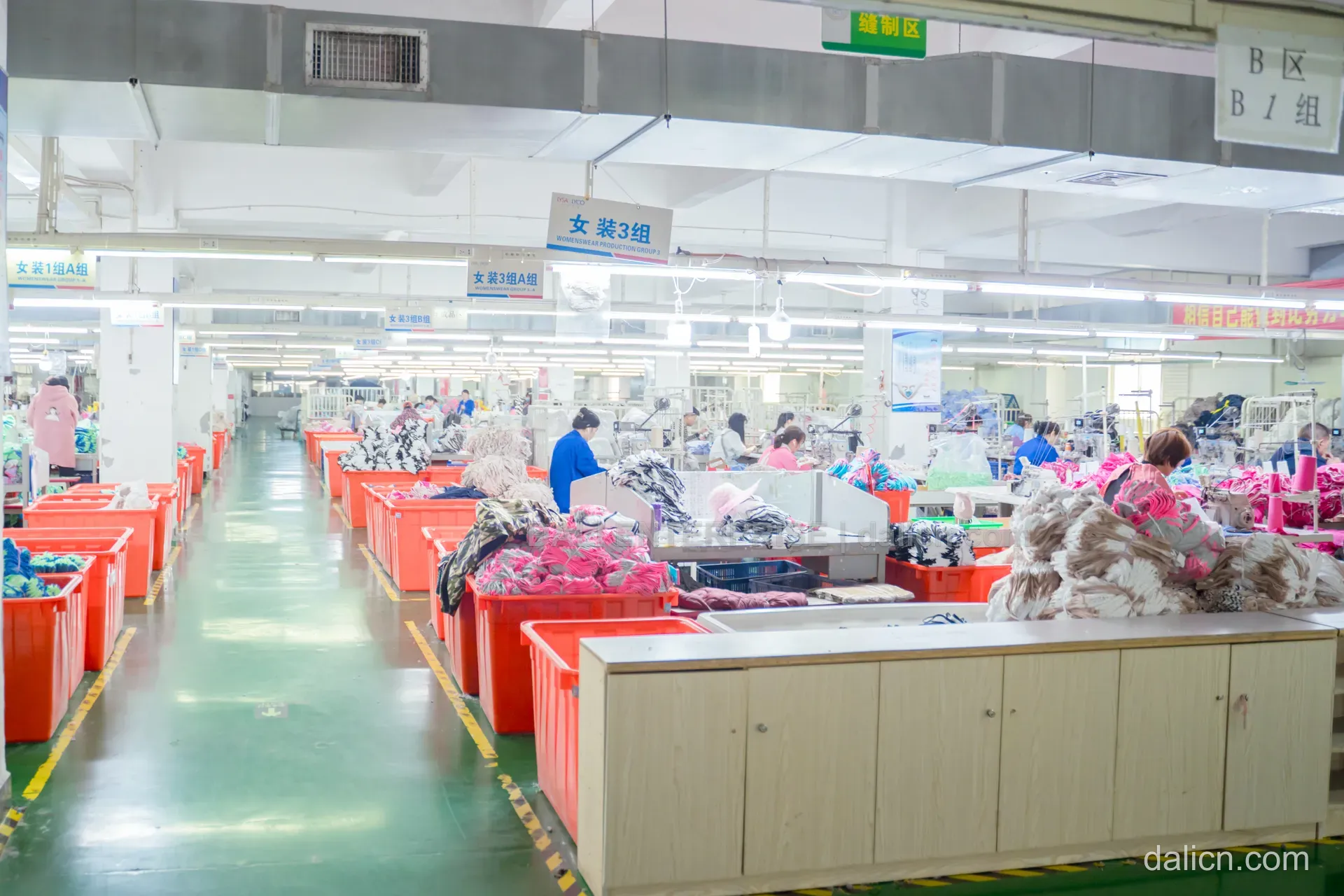
For a brand or retailer, responsible sourcing needs more than a preferred-fibre choice. The useful question is whether the proposed product and manufacturing route address the environmental and workplace issues that matter for your program.
Follow the manufacturing route
The European Environment Agency describes textile impacts across raw materials, manufacturing, use and end of life. This makes a single material label an incomplete basis for judging the finished garment.
Map the stages involved in your order: yarn and fabric supply, dyeing and finishing, cutting, assembly and packing. Ask which facilities perform them. A garment factory's environmental presentation should not be treated as evidence about a separate wet-processing site without checking the connection.
Examine water and energy where they are used
For dyed and finished fabrics, discuss process control and wastewater treatment at the relevant operation. Distinguish a treatment installation from a demonstrated reduction in water use or emissions. These are different claims and need different records.
DALI has invested in water-treatment facilities at its Fujian operation. Solar power and energy storage are planned for the additional Cambodia campus. The campus is in trial production but is not fully operational; these energy facilities remain planned investments.
Include people in the assessment
Workplace conditions belong in the same supplier discussion as materials and delivery. Recruitment, working time, wages, safety and corrective-action follow-through are practical procurement topics, not a substitute for a product quality test.
DALI's employment commitments include recruitment from age 18, voluntary employment, training and workplace welfare. During supplier qualification, your team can review the applicable assessment and employment arrangements for the proposed production site.
Choose specifications that remain useful in wear
A preferred material still needs suitable performance. For underwear and sleepwear, consider dimensional stability, colourfastness and elastic recovery alongside fibre selection. A specification that loses fit or appearance quickly may undermine the collection's durability objective.
A productive sourcing brief connects the intended sustainability claim to material evidence, the proposed production route and agreed product checks. DALI can review these requirements together with fabric development and bulk garment manufacturing. Start with the collection's priorities rather than an unsupported request for a universally sustainable garment.
Sources and further reading
Buyer questions
Does recycled fabric make a garment sustainable?
No. Recycled content describes a material attribute. It does not by itself establish the environmental performance, working conditions or durability of the finished garment.
What should a buyer ask about factory environmental claims?
Identify the relevant process and facility, the claim being made and the evidence needed. Separate existing controls and verified results from proposed investments.
Make your sourcing priorities specific.
Share your material, environmental and workplace requirements so DALI can review the proposed program and manufacturing route.
Discuss responsible sourcing