
Knowledge base
Garment Durability: Approve Fabric, Seams and Care as One Product
Durability is a development decision. Define what needs to hold its shape, colour and function before you approve the bulk specification.
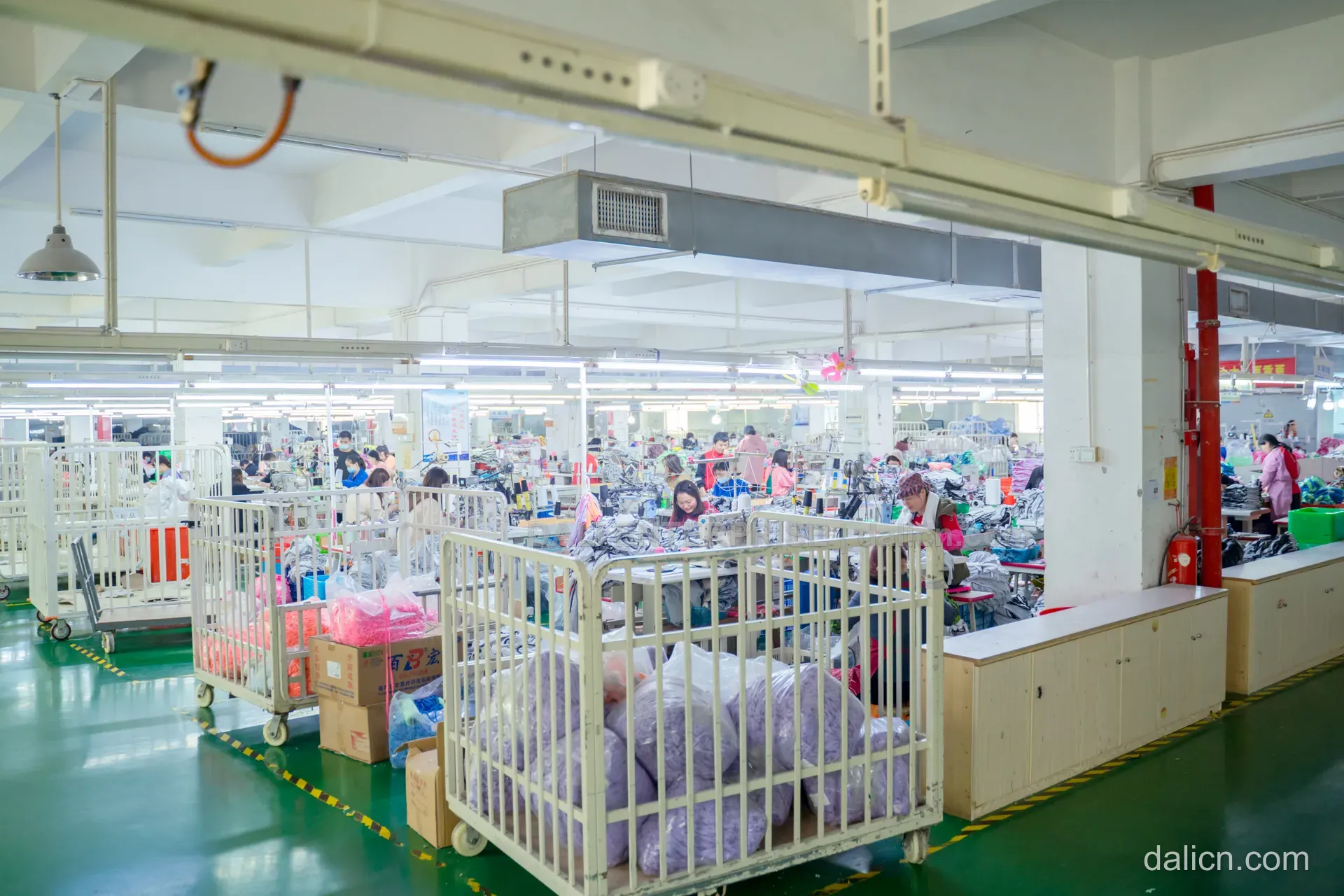
A garment can use a well-specified fabric and still disappoint in wear if its seams, waistband or care instructions do not suit the finished product. For repeat-purchase categories, consistency after use matters as much as the first fitting.
Define the failure you need to prevent
The European Environment Agency identifies durability as a route to keeping textiles in use for longer. For a buyer, this becomes practical when it is expressed as a product requirement rather than an adjective.
Start with the intended use. Underwear may need recovery and seam comfort after repeated laundering; socks may need shape retention and resistance to wear; sleepwear sets may need compatible shrinkage between top and bottom. These are development priorities to assess, not claims that every product needs the same test or acceptance level.
Set the fabric and construction requirements together
Agree the relevant fibre blend, construction, weight and finishing requirements with the dimensions and tolerances of the finished garment. Review elastic or trim behaviour where it may affect fit. A component that is satisfactory on its own may behave differently after assembly.
Choose test methods and acceptance criteria that reflect the buyer's market and intended use. Do not use a generic wash count or a single laboratory result as proof of every aspect of durability.
Review a representative finished sample
Keep the sample linked to its material references, construction details and proposed care method. Compare measurements, appearance and functional points before and after the agreed assessment. Record which version was approved so later changes are visible.
Where fabric, elastic, printing or finishing changes, decide whether the existing approval still applies. The FTC's US care guidance also requires evidence supporting the care instruction; a label should reflect the garment, not merely the supplier's usual wording.
Carry the approval into repeat production
For a bulk program, specify which approved references the factory must follow and how material or process changes are escalated. Retain the product information needed to investigate a difference between a development sample and a repeat order.
DALI's material development, garment manufacturing and quality functions can be included in the same review. Share the product's intended use and your existing performance requirements so the team can assess the sample and production checks needed for your range.
Sources and further reading
Buyer questions
Is a fabric test enough to establish finished-garment durability?
No single result covers fit, seam integrity, appearance and component performance. Select the checks that address the intended use and agree the acceptance criteria.
How should a buyer manage a material change after sample approval?
Keep the approved sample connected to its bill of materials, construction details and care method. Assess whether a change affects the existing approval before using it for bulk production.
Define the performance your range needs.
Share the intended use, material references and existing test requirements for a development discussion.
Review a garment program