
Buyer guide
How to describe an underwear collection for an RFQ
Connect styles, materials, fit references and order quantities so an underwear quotation addresses the collection you intend to buy.
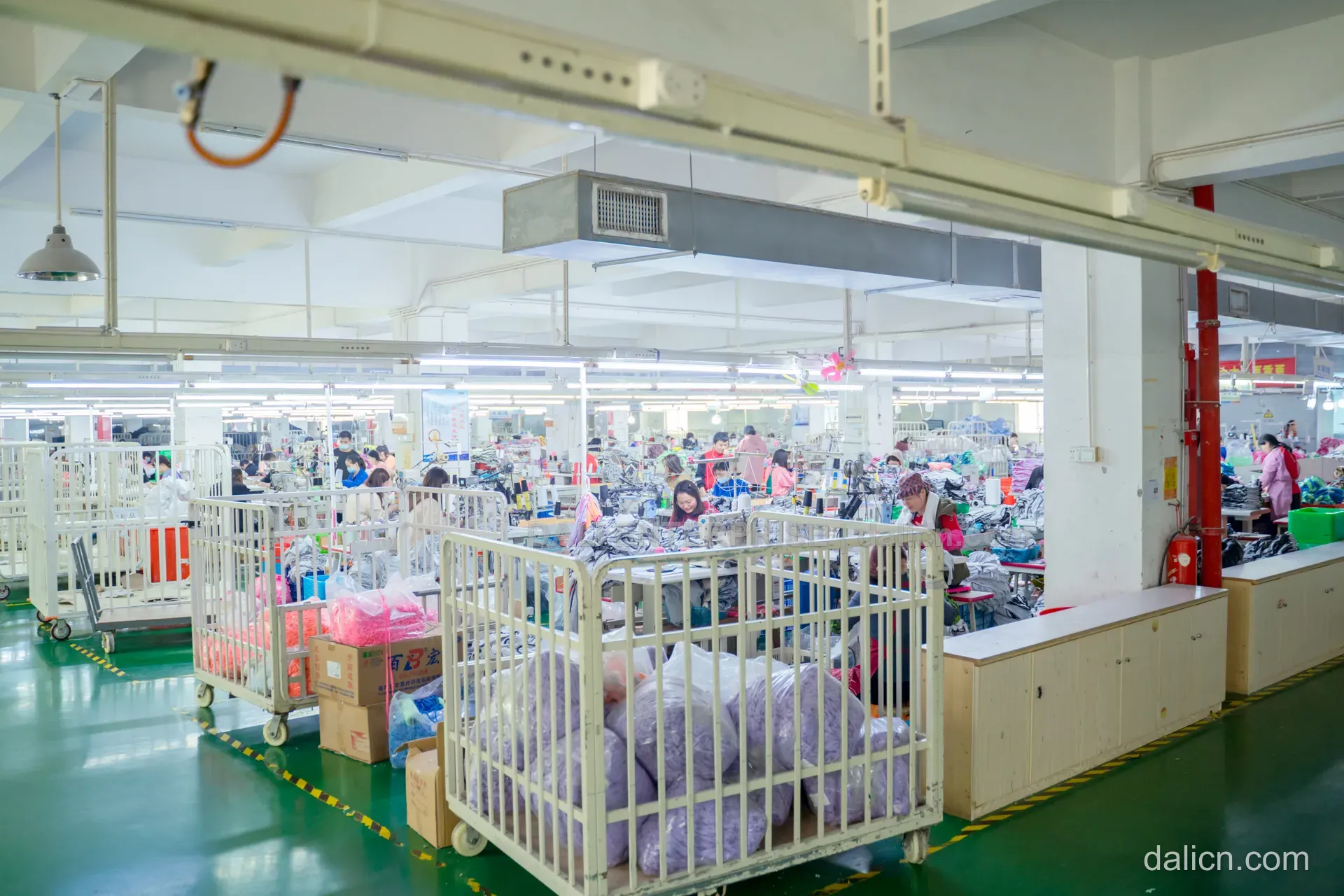
An underwear manufacturing review connects the collection with its construction, material and order structure. Two collections with the same total quantity can involve different patterns, fabrics, waistbands and packing operations. These differences affect what the manufacturer needs to review.
You can start a discussion with DALI before every technical detail is complete. Describe the proposed range and distinguish confirmed requirements from decisions still open. The first review can then identify the relevant capabilities and the development work needed for a meaningful quotation.
Give each style a clear reference
Identify the intended wearer, silhouette and use for each style. A brief, boxer brief and loose boxer short need different pattern references even if they share a fabric. Assign a style code and attach photographs, drawings or an existing sample to that code.
Separate a visual reference from a manufacturing instruction. A photograph may show coverage and trim placement, but not fabric weight, seam construction or garment dimensions. Note which features should be retained and which should change. When a reference includes another brand's artwork, provide only the artwork you are authorized to reproduce.
Connect fabric, elastic and fit decisions
Record the main fabric composition, knitted construction, weight and finish where known. Identify the gusset, waistband, leg finish, labels and any other components separately. If materials are undecided, describe the feel, appearance and evaluation requirements you want to explore.
DALI's China network includes fabric, dyeing, elastic and garment capabilities. The team can review the proposed material combination alongside the garment construction. Connect the fit reference and measurement table to the same style, rather than approving fabric and elastic without considering their placement.
Break the assortment into usable quantities
State garments, retail packs and size or color allocations as different quantities. An illustrative collection of 12,000 briefs could contain two styles with 6,000 garments each. If a three-garment retail pack is proposed, 12,000 garments represent 4,000 packs, provided all garments are allocated to that format. These quantities are illustrative.
Show the proposed allocation for each style, color and size. Mark estimates and unresolved ratios. A total order quantity does not establish the quantity of each fabric color, waistband artwork or retail item. Those allocations give the team the information needed to discuss bulk feasibility and packaging.
Define what the sample will decide
A first sample may evaluate fit, an edge construction or a material combination. Name that purpose and the sample size. If a substitute fabric, plain elastic or provisional label is acceptable for the evaluation, record the substitution and the features it leaves unapproved.
Provide comments against the sample version, with measurements or photographs for the requested changes. Fit approval should identify its reference; production fabric, artwork and packing may have separate approvals. DALI can discuss the development sequence with your team once these objectives are clear.
Add the commercial and supplier-review context
Include the destination, requested delivery window, retail format and buyer documentation requirements. Identify any test methods, inspection criteria or factory records required by your organization. The relevant documents should relate to the proposed factory and product, rather than being inferred from a general portfolio reference.
For an initial inquiry, send your company details, style list, quantity estimate and available references. Add the technical pack and buyer manual when available. The next discussion can address missing inputs, sample arrangements and quotation assumptions; price, minimum quantities and timing are confirmed for the actual program.
Buyer questions
What information does an underwear manufacturer need for an RFQ?
Start with the wearer, style list, bulk quantity estimate and destination. Attach available design or fit references, then identify materials, components and packaging. Mark unresolved decisions so the manufacturer can distinguish a confirmed requirement from a development request.
How should a buyer prepare a bulk underwear inquiry?
Assign a reference to each style and list its colors, sizes and garment quantities. Identify multipack contents separately. Connect sample objectives and buyer documentation requirements to those references before treating the brief as ready for a production quotation.
Review your proposed program with DALI.
Share the product, quantity estimate, destination and the development decisions you need to address. Attach the available references so the team can review your requirements.
Start a manufacturing discussion